How to Measure Whether a Bing Optimization Change Worked
Last updated: October 23, 2026
Quick answer: a Bing optimization change usually needs 2 to 4 weeks to judge fairly, using a before-and-after comparison on the pages you changed. Measure one primary metric tied to the goal, compare matched time windows, and check whether the result holds beyond normal Bing noise.
Key Takeaways
- Measure the metric the change was meant to move, not every metric at once.
- Match the same page group, query type, and time span before and after the change.
- Watch impressions, clicks, CTR, average position, and indexed page status.
- A lift counts when it lasts across multiple periods and beats the rest of the site.
If I want to know how to measure whether a Bing optimization change worked, I start with one question: did it change impressions, clicks, click-through rate, rankings, or conversions for the pages I touched, and did that change hold long enough to survive normal fluctuation? That sounds simple, but Bing traffic is noisy enough that a single good day can fool you and a single bad crawl cycle can hide a real win. The job is not to admire a graph. The job is to separate signal from noise using the same pages, the same date range logic, and the same measurement standard before and after the change.
The cleanest way to do that is to define the goal first, freeze the comparison window, use Bing Webmaster Tools and Microsoft Clarity side by side, and look for lift in the metric that matches the change. A title tag rewrite should mostly move impressions, average position, and CTR. A technical fix should mostly move crawlability, index coverage, and the share of pages that receive clicks. A content rewrite should eventually affect rankings and conversions, not just impressions. If the change was real, the effect usually appears in one place first, then in one or two downstream metrics later.
What should I measure first in Bing?

I should measure the metric that the change was meant to influence, not every metric at once. A title tag rewrite, for example, is a search appearance change, so I would check impressions, clicks, CTR, and average position in Bing Webmaster Tools before I look at revenue. A crawl fix is a discovery problem, so I would watch indexed pages, crawl errors, and the number of valid URLs that Bing can actually reach. A content change is a relevance problem, so I would compare query-level rankings, landing-page clicks, and on-page conversion rate from Bing traffic.
The first mistake I see is people jumping straight to “traffic was up 18%,” with no reference point. That number is too blunt to tell you whether the Bing change mattered. If organic sessions rose because brand demand increased, the optimization gets credit it did not earn. If conversions improved while impressions stayed flat, the change may have helped the page, but not the search result. If impressions rose and CTR fell, the title or snippet may have attracted more visibility without attracting the right searchers.
I would choose one primary metric and two guardrail metrics. For a SERP snippet test, the primary metric is CTR; the guardrails are impressions and average position. For a technical indexation fix, the primary metric is indexed pages or valid crawlable URLs; the guardrails are clicks and organic landing-page sessions. For a conversion-focused rewrite, the primary metric is Bing-assisted conversions; the guardrails are ranking stability and bounce rate or engagement.
The key is to avoid metric shopping. If you declare victory because one number moved and ignore two that worsened, you are not measuring a Bing optimization change. You are collecting applause.
How do I set a fair before-and-after comparison?
I set a fair before-and-after comparison by matching the same page group, the same query type, and the same length of time before and after the change. A 7-day snapshot is usually too short for Bing; a 28-day or 30-day window is far safer because it smooths weekday patterns and short crawl delays. If the change landed on a Thursday, I compare the 28 days before that Thursday with the 28 days after it, but only after I account for seasonality, promotions, and any site-wide event that could distort the numbers.
I also keep the page set fixed. If I changed 12 product pages, I measure those 12 pages, not the whole site. If I changed only one category page, I measure that page and a small control group of similar pages that were not touched. Control pages matter because Bing traffic can rise or fall even when you change nothing. A nearby page group helps show whether the movement came from the optimization or from the market.
The cleanest measurement stack is Bing Webmaster Tools plus one analytics platform. Bing Webmaster Tools gives search data, while analytics shows onsite behavior and conversions. I want both because Bing may show more impressions while analytics shows fewer qualified visits, which means the snippet attracted broader queries but not better ones. If analytics can segment Bing organic traffic separately, I would use that segment. If it cannot, I would still compare landing-page behavior on the affected URLs.
A fair before-and-after frame also means no overlapping changes. If I rewrote titles, changed internal links, and fixed schema on the same day, I cannot tell which part worked. That is not a measurement problem; it is a sequencing problem. One change, one window, and one primary metric usually gives me the best chance of a real answer.
What numbers in Bing Webmaster Tools actually matter?
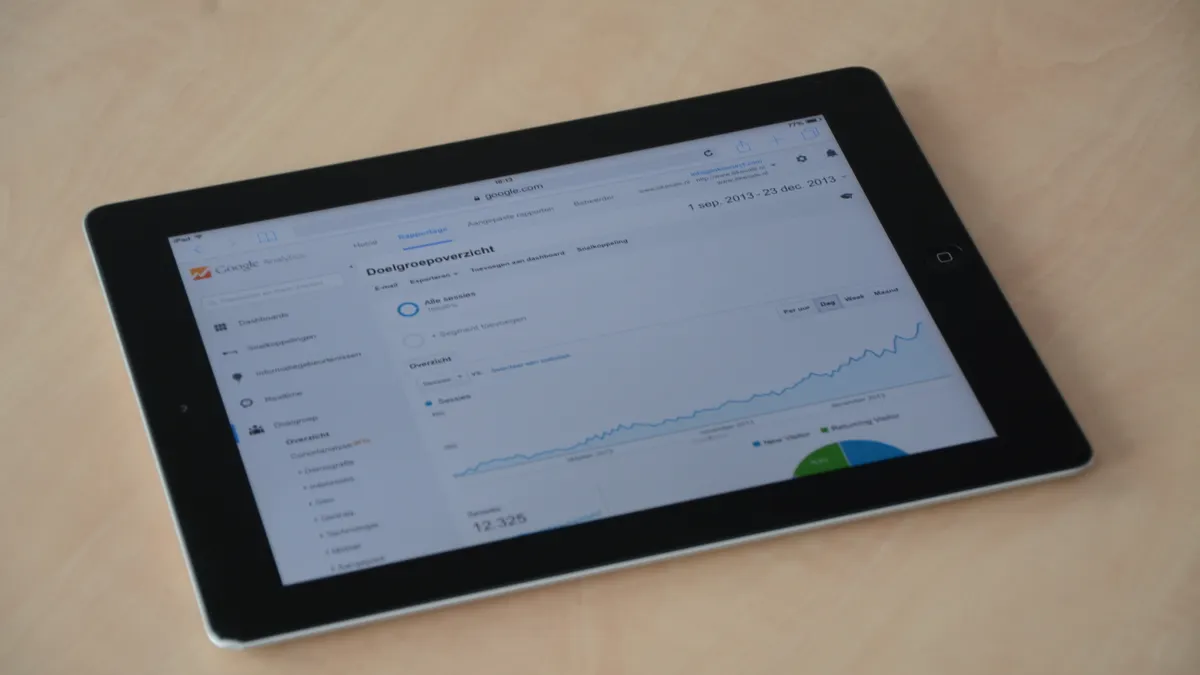
The numbers that matter most are impressions, clicks, CTR, average position, and indexed page status. Those are the closest thing Bing gives me to a change log for search visibility. If I only watch clicks, I can miss a useful gain in visibility that has not yet turned into traffic. If I only watch impressions, I can mistake exposure for performance. I need the set together.
Impressions tell me whether Bing is showing my pages more often. CTR tells me whether searchers prefer my listing. Average position can help me judge whether ranking movement was large enough to affect placement, but I treat it as directional rather than absolute because average position can hide rank swings across queries; for medical, legal, or other high-stakes decisions, consult a qualified SEO or analytics professional. Indexed page status matters when the change affects crawlability or indexation. If a page is still not indexed, no amount of title tweaking will prove the point.
I also care about query-page pairing. A change can improve one page for one query set while hurting a different query set on the same URL. That is common after a rewrite that tightens relevance. For example, a page might lose broad informational impressions but gain clicks on higher-intent queries. That can still be a win if the business goal is leads rather than raw visits.
The most useful way to read Bing data is not as a verdict, but as a chain: crawlability affects indexation, indexation affects impressions, impressions affect clicks, clicks affect onsite outcomes. A change can help one link in that chain and hurt another. If I only inspect the last link, I miss the mechanism.
| Metric | Before | After | Change | Timeline |
|---|---|---|---|---|
| Impressions | Baseline window | Comparison window | Up or down versus baseline | 28 days before vs 28 days after |
| Clicks | Baseline window | Comparison window | Up or down versus baseline | 28 days before vs 28 days after |
| CTR | Baseline window | Comparison window | Up or down versus baseline | 28 days before vs 28 days after |
| Average position | Baseline window | Comparison window | Up or down versus baseline | 28 days before vs 28 days after |
| Indexed URLs | Baseline window | Comparison window | Up or down versus baseline | Pre-change vs post-change crawl cycle |
How do I know if the change beat normal Bing noise?
I know it beat normal Bing noise when the lift lasts across multiple reporting periods and shows up on the affected pages more than on the rest of the site. One strong day does not count. One weak week does not count either. I want a pattern that persists for at least two comparable windows, such as two consecutive weeks or two matched 14-day periods, with the same direction in the primary metric.
I also want to compare against a control group or at least a site-wide benchmark. If the changed pages gained 12% in clicks while the rest of the site gained 11%, the optimization may have helped, but only a little. If the changed pages gained 12% while the rest of the site fell 8%, that is a much stronger signal. If the changed pages improved but only after a broad seasonal uptick, the optimization may have ridden the tide instead of creating it.
This is where many Bing reports go wrong: they treat percentage change as proof without looking at the absolute base. A 40% jump from 5 clicks to 7 clicks is not the same as a 40% jump from 500 to 700. Both are mathematically true, but only one is likely to matter to the business. I would always read percentage change beside raw counts, and if the numbers are part of a medical, legal, or financial decision, consult the right professional before acting on them.
A practical threshold helps here. I would not call a change “worked” unless it moved the intended metric, stayed moved across at least two matching windows, and did not create a worse trade-off on the guardrail metrics. That standard is stricter than a typical dashboard glance, but it is the difference between an observation and a decision.
What went wrong when the change failed?
The change failed when I changed too many variables at once, checked too soon, and trusted a single metric that did not match the goal. That failure costs either time or money, and usually both. If the page was rewritten, retitled, and internally linked differently on the same day, I cannot tell which action moved Bing. If I reviewed results after 4 or 5 days, I likely caught a crawl lag or a normal ranking wobble, not a stable effect. If I called success because impressions rose while conversions fell, I may have attracted the wrong audience.
The biggest measurement trap is attribution drift. Bing may recrawl at a different pace than I expect, and the page may need time to settle after a content change. That means a “no result” conclusion after one week can be false. The opposite is also true: a sudden spike after a metadata change can vanish once rankings normalize. Both errors come from judging too early.
Another failure mode is the wrong baseline. If I compare a holiday week to a normal week, or a promo period to a quiet period, the result is contaminated before I even begin. The better choice is same-length windows with similar business conditions. If seasonality is strong, I would compare year-over-year or use a matched control page set.
This is the section most articles skip, and it is the one that matters most. A Bing optimization change can look bad because the measurement was bad. It can also look good for the same reason. The cost of a false read is another round of changes, another wait period, and a report nobody trusts.
How long should I wait before calling it?
I should wait long enough for Bing to recrawl, reassess, and show the change in a stable window. For many page-level changes, that means at least 2 to 4 weeks before I make a serious call, and longer if the site is large, the page is low-traffic, or the change depends on reindexation. A technical fix can surface faster if Bingbot reaches the page quickly, but even then I would not treat the first movement as final.
The wait depends on the type of change. A title tweak can affect CTR as soon as the new snippet appears, but ranking movement may lag. A structured data update may need a crawl and reprocessing cycle. A content refresh may need enough time for Bing to test the page against competing results. A crawl fix may not show its full effect until the blocked URLs are discovered again and reentered into the index.
I would use checkpoints instead of a single deadline. At 7 days, I check whether Bing has recrawled the URLs and whether the search appearance changed. At 14 days, I check whether impressions and CTR are moving in the intended direction. At 28 days, I decide whether the trend is real enough to keep, revert, or iterate. That staged review is more honest than pretending one chart can answer everything.
Who this is not for: anyone looking for a same-day verdict. Bing optimization rarely gives that. If a page gets only a handful of impressions a week, the data may stay too thin for a confident read, and that is not a failure of the method. It is a limitation of the sample.
How do I write the verdict without fooling myself?
I write the verdict by tying the result to the original goal in one sentence. If the goal was more qualified Bing traffic, I say whether the change increased clicks from the target query set and whether conversions improved. If the goal was indexation, I say whether Bing discovered and indexed more of the intended URLs. If the goal was higher CTR, I say whether the listing earned more clicks at roughly the same average position. That keeps the decision attached to the reason I made the change in the first place.
I also state the trade-off. A title change that lifts CTR by attracting broader queries may reduce lead quality. A crawl fix that increases index coverage may also surface thin pages that should not have been indexed. A content rewrite that improves relevance may narrow the query set and lower total impressions. Those are not bugs in the measurement. They are the cost of optimization.
If I had to reduce the whole process to one rule, it would be this: a Bing optimization change worked only if the intended metric moved, the movement held across matched windows, and the side effects stayed acceptable. Anything less is a guess dressed up as reporting.
FAQ
How soon can I tell if a Bing SEO change worked?
Usually not in the first few days. I would wait about 2 to 4 weeks for a page-level result, then recheck after Bing has had time to recrawl and stabilize the listing.
Should I use Bing Webmaster Tools or my analytics platform?
I would use both. Bing Webmaster Tools shows search-side movement such as impressions, clicks, CTR, and index status, while analytics shows what Bing traffic did after the click.
What if impressions rise but clicks do not?
That usually means the page is being shown more often but the snippet or query match is not compelling enough. It can still be progress, but it is not a full win.
Can I trust average position by itself?
No. I treat average position as a supporting metric, not the verdict. It can hide query mix changes and small ranking swings across different searches.
What is the simplest pass/fail test?
I would call it a pass only if the target metric improved in the expected direction, the result held across matched time windows, and the change did not hurt the business metric that matters most.
Drafted with AI; not yet reviewed by a person.

Related Posts

Bing Rank Drop Recovery: What to Check First

Does Bing Reward Exact-Match Keywords Differently Than Google?